Short answer: Use stainless steel (AISI 304, or 316 for brackish water) for boreholes, drinking water and corrosive liquids; cast iron for robust, economical surface and sewage pumps in neutral water; brass impellers for small domestic pumps where corrosion resistance and smooth hydraulics matter. Engineering plastics excel in sandy water and pool chemistry.
Why material choice matters
Most pump failures that are not electrical are caused by the liquid itself: corrosion, abrasion from sand, or scaling. Choosing materials to match the water chemistry is the cheapest life-extension you can buy.
Stainless steel
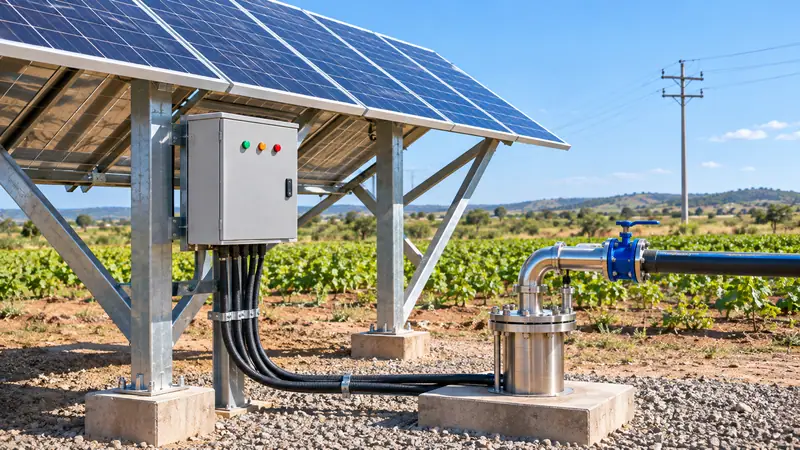
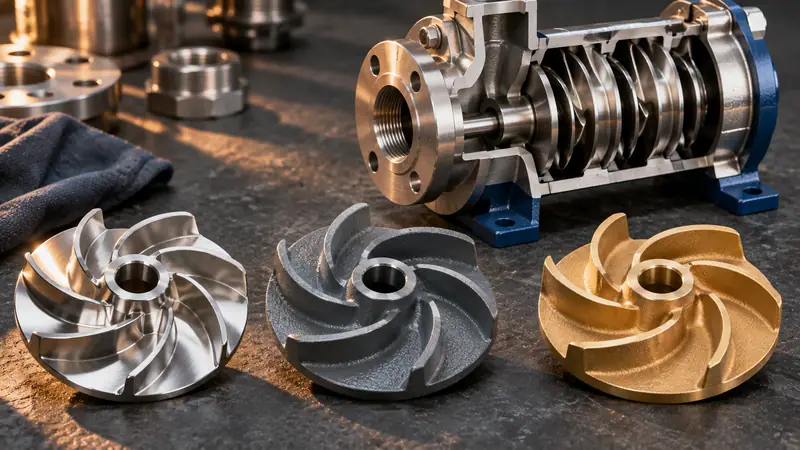
AISI 304 stainless steel is the standard for 3- and 4-inch borehole pumps, pressing the pump body, shaft and outlet into a thin, strong, corrosion-proof package that fits narrow wells. AISI 316, with added molybdenum, resists chlorides in brackish and coastal groundwater. Stainless steel is hygienic for drinking water and keeps its surface finish, so efficiency stays stable over the years.
Cast iron
Grey cast iron forms the volute and bracket of most surface centrifugal, jet and sewage pumps. It is rigid, quiet and economical. In neutral water with an electrophoretic or epoxy coating it lasts many years; in acidic or saline water it will rust and should be replaced by stainless steel versions.
Brass and bronze
Brass impellers are common in peripheral pumps such as the QB60 and in 2-inch centrifugal pumps. They resist corrosion, cast to precise profiles and give smooth, efficient hydraulics. Brass outlets on borehole pumps (as in our SKM range) give a robust threaded connection.
Engineering plastics
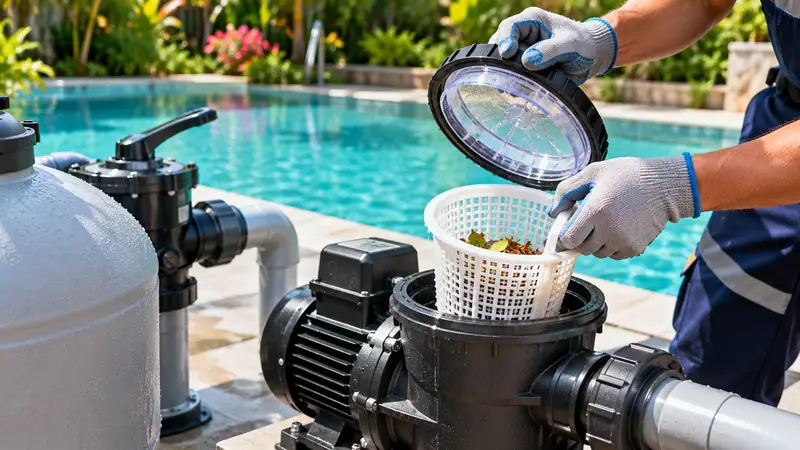
Noryl, POM and glass-filled polymers are used for floating impeller stages and diffusers in multistage borehole pumps. They tolerate fine sand far better than rigid metal stages, cannot rust and keep weight low. Reinforced plastics are also the right choice for pool pump bodies, which face chlorine and salt continuously.
Selection matrix
| Water type | Pump body | Impeller |
|---|---|---|
| Clean fresh groundwater | Stainless 304 | Plastic or stainless |
| Sandy borehole (up to ~50 g/m³) | Stainless 304 | Floating plastic stages |
| Brackish / coastal | Stainless 316 | Stainless 316 |
| Domestic clean water, surface | Cast iron, coated | Brass |
| Sewage and sludge | Cast iron or stainless | Vortex or cutting, cast iron / stainless |
| Swimming pools, salt systems | Reinforced plastic | Plastic |
Test your water first
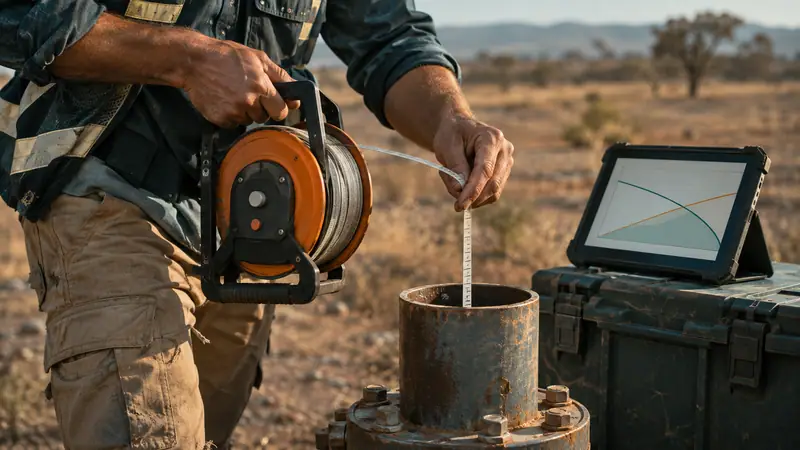
A basic lab analysis — pH, chloride, total dissolved solids, iron and sand content — costs little and settles material choice. Send the results with your inquiry and we will confirm the right material combination before you order.
Frequently asked questions
Is AISI 304 stainless steel enough for borehole water?
For most fresh groundwater, yes. Choose AISI 316 when chloride content exceeds roughly 500 mg/L, in coastal or brackish aquifers, or where water is aggressive (low pH, high CO₂).
Are plastic impellers lower quality than metal ones?
Not necessarily. Engineering-plastic floating impellers resist abrasion from fine sand better than many metals and do not corrode. Their limits are temperature and very high pressure per stage.
Why do surface pumps use cast iron bodies?
Cast iron is strong, dampens vibration and noise, and is economical to machine into complex volutes. With an internal coating it performs well in neutral clean water.